


Does Your Home Still Fit Your Life?
A home can hold years of memories and still stop working for the life you are living today.
Perhaps your household has grown, your children have moved out, your job has changed, or maintaining the property takes more time than it once did. Sometimes the signs are obvious. Other times, they appear gradually in daily frustrations that become easy to overlook.
This does not automatically mean it is time to move. It may simply be time to consider whether your current home continues to support your needs, routines, and plans.
Here are a few questions that can help you evaluate the fit.
Are You Running Out of Functional Space?
 Your home may have enough rooms on paper but still lack the right spaces for everyday life.
Needing more space is not always about the number of bedrooms. You may need a dedicated office, an additional bathroom, better storage, or a layout that allows household members to complete different activities without constantly overlapping.
Signs may include:
• Working from the dining table every day
• Toys or equipment taking over shared rooms
• Guests having nowhere comfortable to stay
• Family members competing for quiet space
• Closets and storage areas that remain constantly full
Real-life example: A three-bedroom house may sound spacious enough, but it can feel tight when one room becomes a full-time office and two children are sharing the remaining bedroom.
Do You Have More Home Than You Use?
 Unused rooms can be a sign that your housing needs have changed.
A home that once felt full of activity can begin to feel larger than necessary as life changes. You may be heating, cooling, cleaning, and maintaining rooms that are rarely used.
Ask yourself:
• Which rooms did we use during the past month?
• Are we maintaining a large yard we no longer enjoy?
• Would a smaller home free up time or resources for other priorities?
• Are stairs or household tasks becoming less convenient?
Real-life example: After adult children leave home, a four-bedroom property may provide wonderful space for visits—but it may also require more upkeep than the owners want for daily life.
Has the Way You Work Changed?
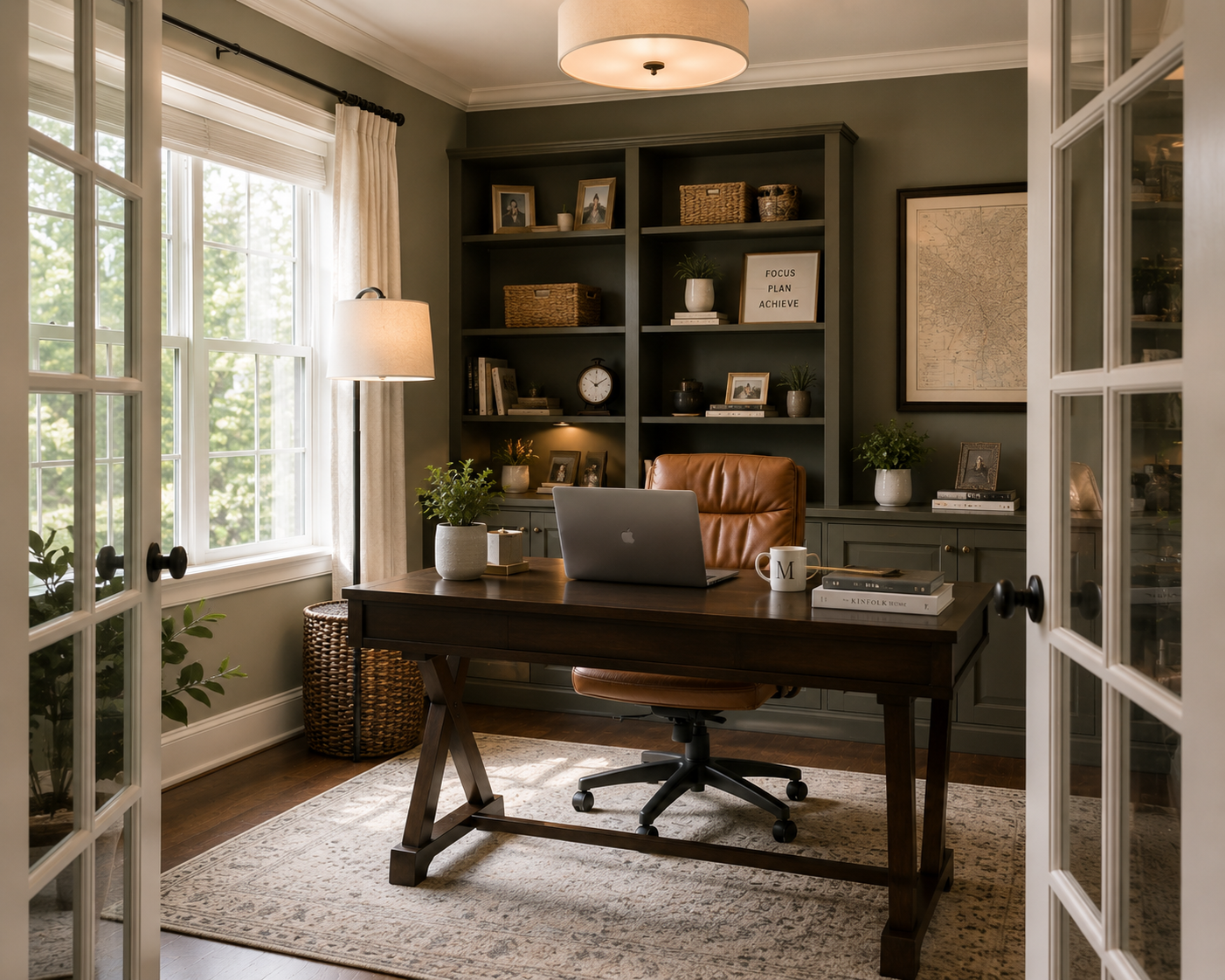 Working from home is easier when the space supports concentration, storage, and separation from household activity.
A temporary work setup can become frustrating when it turns into a permanent arrangement. Poor lighting, limited storage, background noise, or a lack of privacy can affect how the entire home functions.
You may benefit from:
• A dedicated office with a door
• A finished basement or bonus room
• Better internet connectivity
• Built-in storage
• A layout with greater separation between work and living areas
Real-life example: A household that originally needed a formal dining room may now get more daily value from converting it into a well-designed office.
Is the Upkeep Taking Over Your Free Time?
 The right amount of property is the amount you can comfortably maintain and enjoy.
Large yards, older systems, extensive landscaping, and multiple levels may have been appealing at one point. Over time, those same features can begin to feel like obligations.
Consider how much time you spend on:
• Lawn and landscape maintenance
• Exterior repairs
• Cleaning unused rooms
• Managing older mechanical systems
• Driving to daily necessities
A different property might offer a smaller yard, newer systems, community maintenance, or a location closer to the places you visit most often.
Has Your Preferred Lifestyle Changed?
 Sometimes a move is less about the house itself and more about the life you want outside its walls.
Your ideal location may change just as much as your ideal floor plan.
Perhaps you now want:
• A shorter commute
• Easier access to restaurants and shops
• A walkable neighborhood
• Proximity to children or grandchildren
• A quieter setting with more land
• Access to boating, beaches, or the coast
• A community with shared amenities and less maintenance
Real-life example: Someone who once prioritized a short commute may now work remotely and prefer a home closer to family, recreation, or the water.
Could Your Current Home Be Adapted?
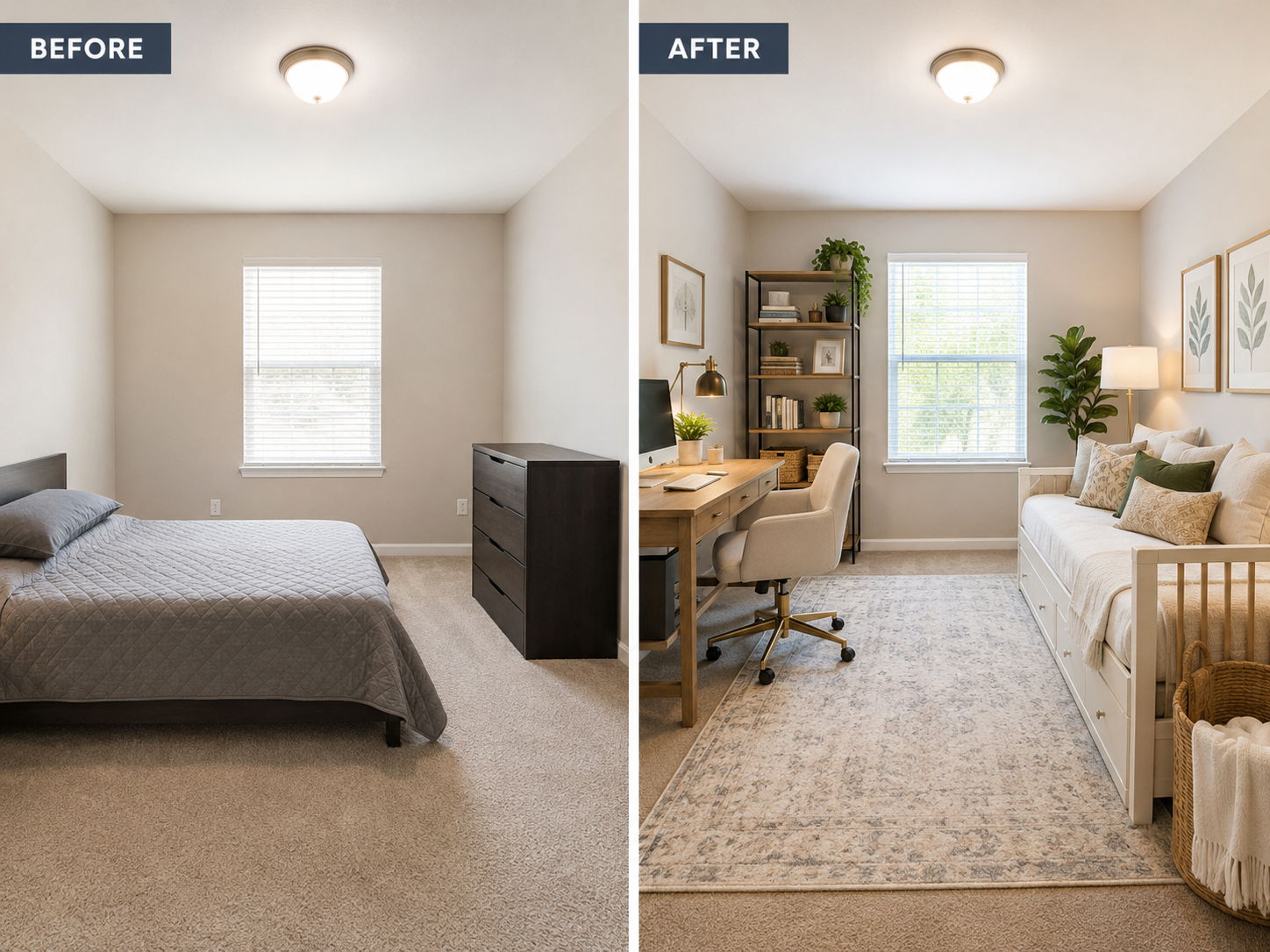 Before moving, consider whether a thoughtful update could help your current home meet your changing needs.
Moving is not the only solution. Some homes can be adapted through manageable changes.
Possible improvements include:
• Converting an unused bedroom into an office
• Creating a main-level bedroom or bathroom
• Finishing part of a basement
• Reworking a kitchen for better flow
• Adding storage or built-ins
• Improving outdoor living space
• Replacing difficult landscaping with lower-maintenance options
Compare the cost and disruption of those improvements with the cost and benefits of moving. The right answer will depend on your priorities.
Your Home Should Support Your Next Chapter
There is no universal timeline for moving. The right time is not determined by a season, a headline, or what someone else is doing.
It begins with a more personal question:
Does this home still support the way we want to live?
You may decide that a few updates will make you love your current home again. You may discover that your needs have changed enough to begin exploring something different. Either outcome can bring clarity.
The MGW Team serves Pennsylvania and North Carolina and can help you look at the possibilities without pressure. Whether your next chapter involves improving your current space, purchasing something new, downsizing, relocating, or moving closer to the coast, we can help you develop a plan that fits your life.
Personalized | Professional | Proven